
Boosting biodiversity across Lewes district
Biodiversity is being given a helping hand with the introduction of wildlife-friendly planting and innovative land management in public spaces.
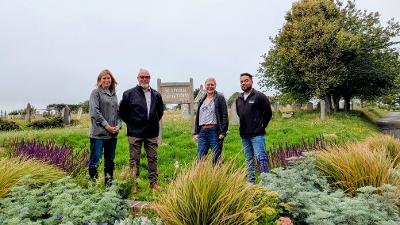

Following an ecological assessment of the cemetery in 2024, a new mowing regime has been introduced to improve biodiversity while ensuring graves remain accessible. The approach creates areas of tall, medium and short grassland, providing varied habitats and food sources for pollinators. Grass cuttings are also removed quickly after mowing to encourage wildflowers to grow.
The upkeep of Seaford Cemetery is managed in line with Lewes District Council's policies by its newly appointed grounds maintenance contractor, Glendale.
Meanwhile, at Telscombe Playing Fields, two new chalk banks have been installed to recreate downland habitat near the car park and at the top of the site. Native downland plants, grown by the Wildflower Conservation Society, were planted by the council this spring.
The chalk habitat, combined with pollinator-friendly wildflowers, will provide ideal feeding, breeding and basking conditions for butterflies and moths, as well as supporting solitary bees, beetles and other pollinating insects. Ultimately, these newly created habitats help directly address the decline in British butterflies, securing a greener, more resilient ecosystem for the entire district.
Councillor Emily O'Brien, Cabinet Member for Climate, Nature and Food Systems, said: "These projects show how relatively small changes can make a meaningful difference for wildlife and for the people who use these valued community spaces. By improving habitats for pollinators while making our public spaces more attractive and accessible, we are helping nature recover and ensuring residents can enjoy greener, more welcoming places."
More ways to receive our news
- Keep me posted. Sign up to receive news and alerts from Lewes council by email
- Read District News - our council newspaper
- Our Social media


